Beetroot is often discussed in the context of liver health and “cleansing,” but it’s important to understand what that means from a scientific perspective.
What are the claims about beetroot and liver health?
The idea that beetroot can “cleanse” the liver stems from its nutritional profile and the potential benefits of certain compounds it contains. Here’s a breakdown:
Antioxidants: Beetroot is rich in antioxidants, particularly betalains (which give it its vibrant red color). Antioxidants help protect cells from damage caused by free radicals. Liver cells are constantly exposed to toxins and metabolic byproducts, making them susceptible to oxidative stress. By reducing this stress, antioxidants may support overall liver function.
Nitrates: Beetroot is a good source of dietary nitrates. In the body, these nitrates are converted into nitric oxide (NO). Nitric oxide plays a crucial role in vasodilation (widening of blood vessels), which can improve blood flow. Better blood flow to the liver can potentially aid in its detoxification processes.
Betaine: Beetroot contains betaine, a compound that has been studied for its potential to reduce the accumulation of fat in the liver, a condition known as non-alcoholic fatty liver disease (NAFLD). Betaine is thought to help break down fats and also to support the production of S-adenosylmethionine (SAMe), a compound involved in numerous metabolic processes, including liver detoxification.
Fiber: Beetroot is a good source of dietary fiber, which is essential for digestive health. A healthy digestive system can indirectly support liver function by aiding in the elimination of waste products from the body.
“Liver Cleanse” vs. Liver Support:
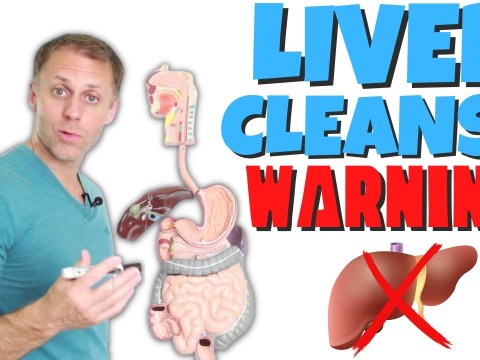
It’s crucial to distinguish between the popular notion of a “liver cleanse” and actual scientific understanding of liver support.
“Liver Cleanse” (Popular Notion): This usually refers to a short-term, often restrictive diet or supplement regimen intended to rapidly remove toxins from the liver and improve overall health. Scientific evidence for such rapid, dramatic “cleansing” effects from specific foods or short-term plans is generally lacking.
Liver Support (Scientific Understanding): This refers to actions and dietary choices that help the liver function optimally on an ongoing basis. This includes providing the liver with the nutrients it needs to perform its detoxification and metabolic functions efficiently and protecting it from damage.
How Beetroot Might Support Liver Function:
Rather than a dramatic “cleanse,” beetroot contributes to liver support in the following ways:
Reducing Oxidative Stress: Its antioxidant content helps protect liver cells.
Improving Blood Flow: Nitrates can enhance circulation to the liver.
Potentially Reducing Fat Accumulation: Betaine shows promise in managing NAFLD.
Aiding Digestion: Fiber contributes to the body’s natural elimination processes.
How to Incorporate Beetroot for Liver Health:
You don’t need a special “beetroot liver cleanse” plan. Incorporating beetroot into a balanced, healthy diet can offer these benefits. Here are some ways:
Juicing: Beetroot juice is very popular. You can drink it on its own or mix it with other fruits and vegetables.
Roasting/Steaming: Roasted or steamed beetroot can be added to salads, grain bowls, or eaten as a side dish.
Raw: Grated raw beetroot can be added to salads for a crunchy texture.
Pickled: Pickled beetroot is a flavorful way to enjoy it.
Important Considerations:
Moderation is Key: While healthy, consuming excessively large amounts of any single food might not be beneficial.
Individual Responses: People react differently to foods. Listen to your body.
Underlying Medical Conditions: If you have existing liver conditions (like hepatitis, cirrhosis, or NAFLD diagnosed by a doctor), it’s essential to consult with your healthcare provider before making any significant dietary changes or relying on specific foods for management. They can provide personalized advice and monitor your health.
No Magic Bullet: Beetroot is a healthy food that can contribute to overall well-being, including liver health. However, it’s not a miracle cure. A balanced diet, regular exercise, maintaining a healthy weight, limiting alcohol, and avoiding exposure to toxins are fundamental to liver health.
In summary, beetroot is a nutrient-rich vegetable that can be a valuable part of a healthy diet to support liver function. It’s best to think of it as a supportive food rather than a quick “cleanse.” Always prioritize consulting with a healthcare professional for personalized advice regarding your liver health.

 4.5 out of 5 stars