Are Cold Sores Holding You Back? A Comprehensive Guide to Understanding, Managing, and Potentially Preventing These Common Blisters
Do you find yourself constantly battling the frustrating and often embarrassing experience of cold sores? You’re far from alone. Millions of people worldwide experience these unwelcome blisters, also known as oral herpes, on their lips or around their mouths. This comprehensive guide will delve deeper into understanding cold sores, explore various management strategies, and discuss potential preventative measures using natural approaches. Remember, this information is for educational purposes and should not be a substitute for advice from a qualified healthcare professional.
Understanding the Enemy: What Are Cold Sores?
Cold sores are primarily caused by the herpes simplex virus type 1 (HSV-1). This highly contagious virus often enters the body during childhood through direct contact, such as kissing or sharing utensils with someone infected. Once infected, the virus typically lies dormant in the nerve cells and may reactivate, leading to the formation of sores. It is crucial to be aware of the stages of a cold sore outbreak to recognize its progression and initiate management strategies accordingly.
The usual progression includes:
Tingling or Itching: Before any visible sore appears, you might experience a tingling, itching, or burning sensation around your lips. This is often the first sign of an impending outbreak.
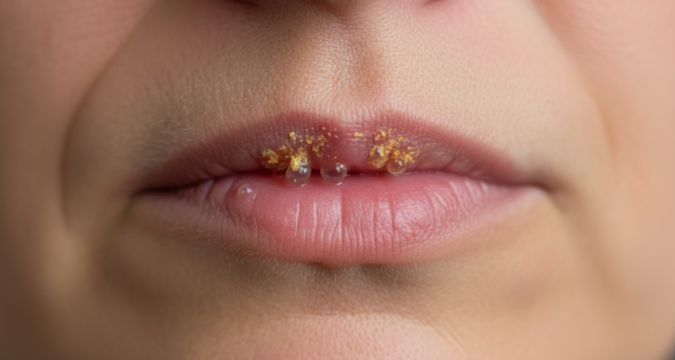
Blisters: Small, fluid-filled blisters then usually appear, which rapidly group together. These blisters are extremely contagious.
Ulcers: The blisters soon rupture, leaving open sores or ulcers with a painful, crusty appearance.
Crusting: Over several days, these ulcers will crust over, forming a scab.
Healing: The scab will eventually fall off, and healing is complete, although the virus remains in the body and outbreaks can reoccur.
Triggering Factors: What Can Activate a Cold Sore Outbreak?
Several factors can trigger a cold sore outbreak after the virus has been dormant. Identifying these triggers can enable you to take preventative measures:
Stress: High levels of emotional or physical stress can suppress the immune system, making reactivation more likely.
Sun Exposure: Prolonged exposure to sunlight, particularly ultraviolet (UV) radiation, can damage the skin and trigger outbreaks.
Illness: Any illness that weakens the immune system, such as a cold or the flu, can increase the risk of an outbreak.
Hormonal Changes: Fluctuations in hormone levels, such as those that occur during menstruation, can also be a trigger.
Injury: Trauma to the lips, such as chapping or injury, can create an entry point for the virus.
Weakened Immune System: Conditions or medications that affect the immune system can lead to more frequent or severe outbreaks.
Managing Cold Sores: Strategies for Relief and Healing
While there is no cure for HSV-1, meaning the virus will remain in your system, various strategies are available to manage outbreaks and minimize discomfort:
Over-the-Counter Medications: Antiviral creams, such as those containing acyclovir or penciclovir, can help speed up healing and reduce the duration of the outbreak if applied at the first sign of symptoms.
Pain Relief: Over-the-counter pain relievers, such as ibuprofen or acetaminophen, can ease the discomfort and pain associated with the sores.
Cool Compresses: Applying a cool, wet compress to the sore can soothe the skin and reduce inflammation.
Avoid Touching the Sore: Touching the sore can spread the virus to other parts of your body, or to other people. It is important to wash your hands often, especially after touching the affected area.
Natural Remedies: Exploring Potential Approaches
Some natural remedies have shown promise in alleviating symptoms and potentially promoting healing. Disclaimer: The efficacy of these home remedies is not definitively established, and it’s essential to consult with a healthcare professional before relying on them.
Lysine: This is an amino-acid that may help shorten the duration and severity of outbreaks. Lysine often comes in a capsule, cream or, if directed by a healthcare provider, can be used for supplemental use.
Lemon Balm: Applying lemon balm cream may help to reduce healing time with the antiviral and anti-inflammatory characteristics within the plant.
Aloe Vera: Known for its soothing and healing properties, aloe vera gel applied to the sore may help reduce discomfort and promote healing.
Tea Tree Oil: Tea tree oil has been shown to contain antiviral and antiseptic properties. Disclaimer: it is important to test on a small area of the skin prior to application to ensure no allergic reaction occurs.
Preventing Future Outbreaks: Proactive Measures to Consider
While outbreaks can be unpredictable, certain lifestyle changes and preventative measures may help reduce the frequency and severity of cold sores:
Stress Management: Implement stress-reduction techniques, such as meditation, yoga, or deep breathing exercises.
Sun Protection: Always use a lip balm with SPF to protect your lips from sun exposure.
Healthy Diet: Ensure you are getting adequate nutrients by eating a balanced diet, this helps to support a healthy immune system.
Avoid Triggers: Identify and avoid your personal triggers.
Early Intervention: At the first sign of an outbreak, start using over-the-counter medications to potentially lessen the severity.
Conclusion: Taking Control of Cold Sores
Cold sores can be a frustrating and recurring problem, but understanding the virus, recognizing triggers, and implementing a range of management and prevention strategies can help you live a more comfortable life. Remember to consult with a healthcare professional for personalized advice and treatment options. These recommendations aim to provide valuable knowledge regarding cold scores management and do not guarantee eradication or have medical endorsement.