A healthy liver is crucial for overall well-being, playing vital roles in detoxification, metabolism, and nutrient storage. While your liver is remarkably adept at self-cleaning, you can support its function and enhance its detoxification processes through a nutrient-rich diet.
Here are some of the best liver-cleansing foods to naturally detox and boost your health:
1. Cruciferous Vegetables:
Broccoli, Brussels Sprouts, Cauliflower, Kale, Cabbage: These powerhouses are rich in glucosinolates, compounds that your liver converts into helpful enzymes. These enzymes aid in detoxifying harmful chemicals and carcinogens. They also provide fiber, which supports digestive health and helps eliminate waste.
How to enjoy: Steamed, roasted, stir-fried, or raw in salads.
2. Garlic:
Sulfur-rich: Garlic contains sulfur compounds like allicin, which activata liver enzymes responsible for detoxification. It also has antioxidant and anti-inflammatory properties.
How to enjoy: Freshly chopped or minced in savory dishes, sauces, or dressings.
3. Turmeric:
Curcumin Power: This vibrant spice contains curcumin, a potent antioxidant and anti-inflammatory compound. Curcumin helps protect liver cells from damage and supports the production of bile, which is essential for fat digestion and toxin elimination.
How to enjoy: Added to curries, soups, smoothies, or turmeric lattes. Consider adding black pepper to enhance curcumin absorption.
4. Berries:
Antioxidant Rich: Blueberries, strawberries, raspberries, and cranberries are packed with antioxidants, particularly anthocyanins, which give them their vibrant colors. These antioxidants help fight oxidative stress and protect liver cells. They are also a good source of fiber.
How to enjoy: Fresh or frozen in smoothies, yogurt, oatmeal, or as a standalone snack.
5. Leafy Greens:
Spinach, Arugula, Dandelion Greens, Beet Greens: These greens are rich in chlorophyll, which can help neutralize toxins and heavy metals. They also provide vitamins, minerals, and fiber. Dandelion greens, in particular, have a long history of use in traditional medicine for liver support.
How to enjoy: In salads, sautéed, added to smoothies, or as a base for stir-fries.
6. Grapefruit:
Vitamin C and Antioxidants: Grapefruit is a good source of vitamin C and flavonoids, powerful antioxidants that can help protect the liver. It also contains naringenin and naringin, which have been shown to reduce inflammation and protect liver cells.
How to enjoy: Freshly squeezed juice (in moderation due to natural sugars) or as segments in fruit salads.
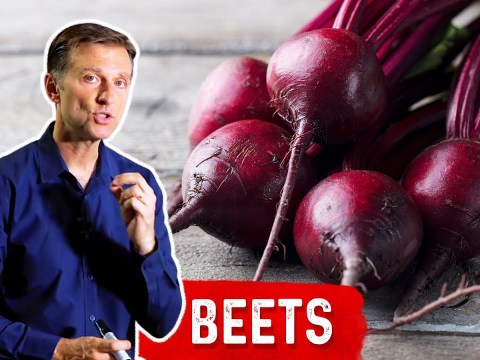
7. Beets:
Betalains: Beets are packed with betalains, plant pigments that have antioxidant and anti-inflammatory effects. They can also improve bile production and enzyme activity, aiding in the elimination of toxins.
How to enjoy: Roasted, steamed, juiced, or grated into salads.
8. Walnuts:
Omega-3 Fatty Acids and Antioxidants: Walnuts are a good source of omega-3 fatty acids, which have anti-inflammatory properties, and antioxidants that help protect the liver from damage.
How to enjoy: As a snack, sprinkled on salads or yogurt, or added to baked goods.
9. Olive Oil:
Healthy Fats: Extra virgin olive oil is rich in monounsaturated fats and antioxidants. It can help reduce fat accumulation in the liver and improve liver enzyme levels.
How to enjoy: As a dressing for salads, for sautéing vegetables, or drizzled over cooked dishes.
10. Green Tea:
Catechins: Green tea is loaded with catechins, a type of antioxidant that has been shown to improve liver function and reduce the risk of liver disease.
How to enjoy: Brewed hot or iced.
11. Lemons and Limes:
Vitamin C and Citric Acid: These citrus fruits are high in vitamin C and citric acid, which can help stimulate the liver and support detoxification pathways. They can also aid in digestion.
How to enjoy: Squeezed into water, tea, or used in salad dressings and marinades.
Foods to Limit or Avoid for Liver Health:
While focusing on beneficial foods, it’s equally important to minimize your intake of certain items that can strain your liver:
Alcohol: The most significant liver toxin.
Processed Foods: Often high in unhealthy fats, sugar, and artificial additives.
Excessive Sugar and Refined Carbohydrates: Can lead to fat buildup in the liver.
Unhealthy Fats (Trans Fats and Excessive Saturated Fats): Found in fried foods, fast food, and many processed snacks.
Excessive Salt: Can contribute to fluid retention and put stress on the body.
Key Principles for Liver Health:
Hydration: Drink plenty of water throughout the day to help flush out toxins.
Balanced Diet: Focus on whole, unprocessed foods.
Regular Exercise: Promotes overall health and can help manage weight, which is beneficial for the liver.
Adequate Sleep: Allows your body, including your liver, to repair and regenerate.
Manage Stress: Chronic stress can negatively impact your body’s detoxification processes.
Important Note: While these foods can significantly support your liver health, they are not a cure for serious liver conditions. If you have concerns about your liver function, always consult with a healthcare professional. This dietary approach is about promoting optimal liver function and overall well-being.